Modern Interior Ideas For Stylish Homes
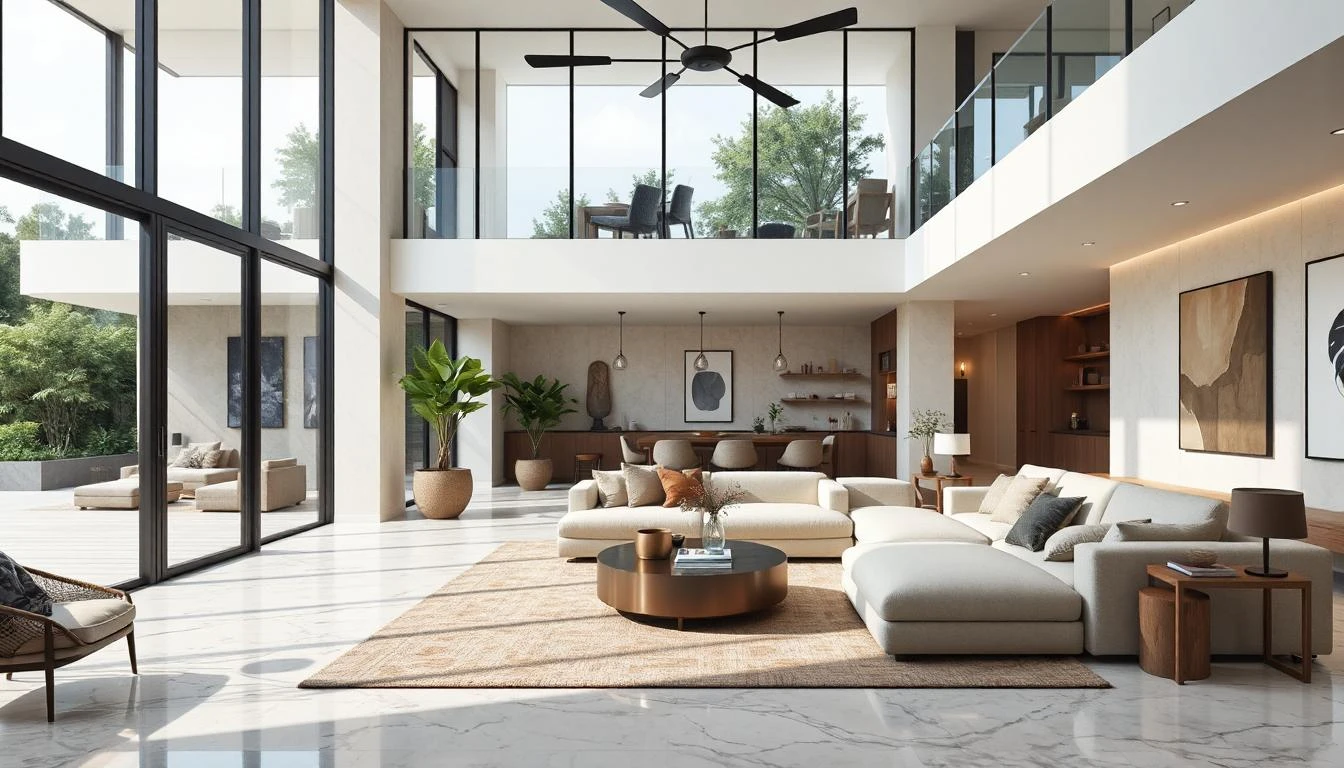
A home is no longer just a place to rest after a long day. It has evolved into a reflection of lifestyle, personality, and even emotional comfort. That is why modern interior design continues to attract attention from homeowners around the world who want spaces that feel elegant, practical, and timeless at the same time. From compact apartments to spacious family houses, people are beginning to realize that thoughtful interiors can completely transform the atmosphere of everyday living without requiring massive renovations.
Today, modern interior ideas stylish homes have become one of the most searched home improvement trends because they combine functionality with aesthetics in a way that feels effortless and sophisticated. Clean layouts, calming textures, natural lighting, and smart furniture choices are shaping how modern families create living spaces that feel both luxurious and welcoming. Interior designer Nate Berkus once explained that “your home should tell the story of who you are,” and that idea perfectly captures why modern interiors continue to resonate with so many people looking for comfort with character.
Understanding Modern Interior Design
Modern interior design is more than a temporary trend. It represents a lifestyle approach that values simplicity, balance, and intentional living. Many homeowners are now shifting away from overcrowded spaces and replacing them with interiors that feel lighter, more organized, and visually calming. This growing preference has pushed modern styling into the center of global home improvement conversations.
In many contemporary home interiors, the focus is no longer only about appearance. Functionality now plays an equally important role, especially as homes continue to serve multiple purposes such as workspaces, entertainment zones, and relaxation areas. The combination of practical design and refined aesthetics is what makes modern interiors feel highly relevant for today’s lifestyles.
Characteristics of modern home interiors
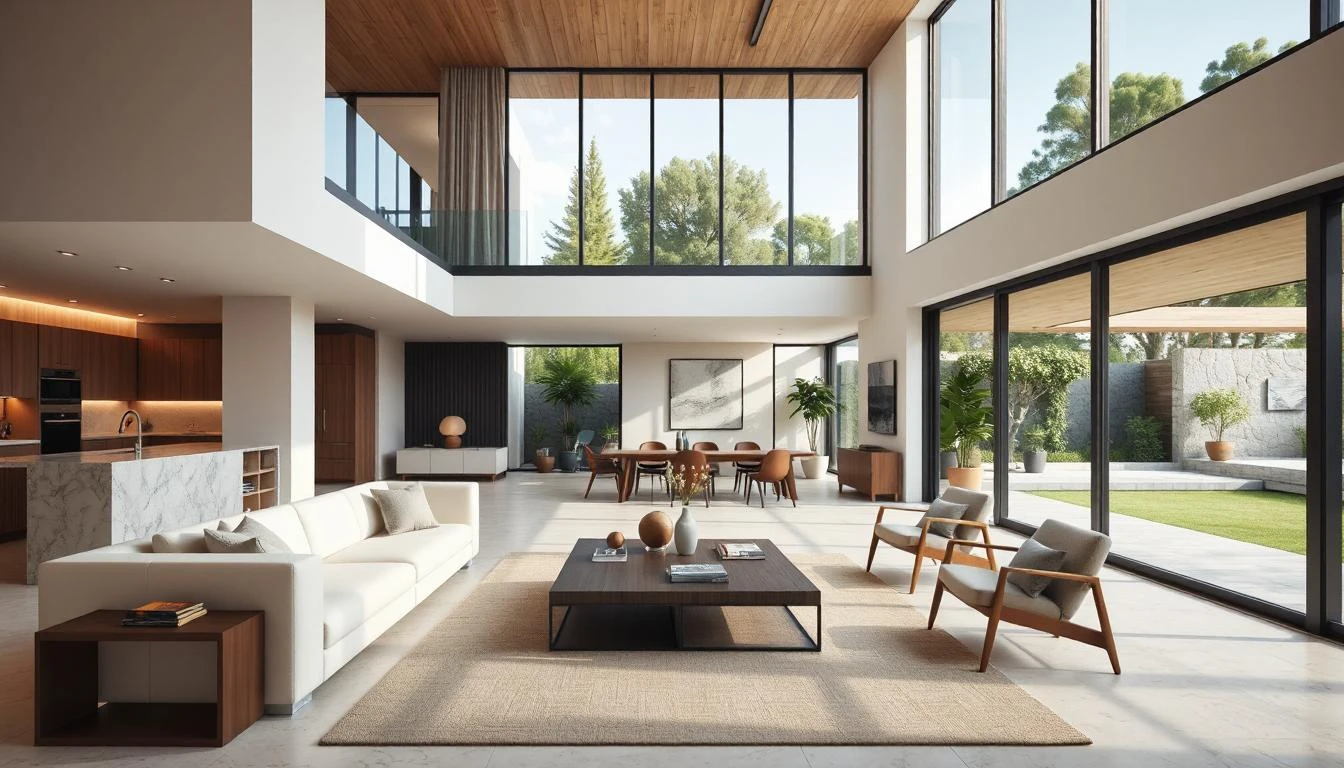
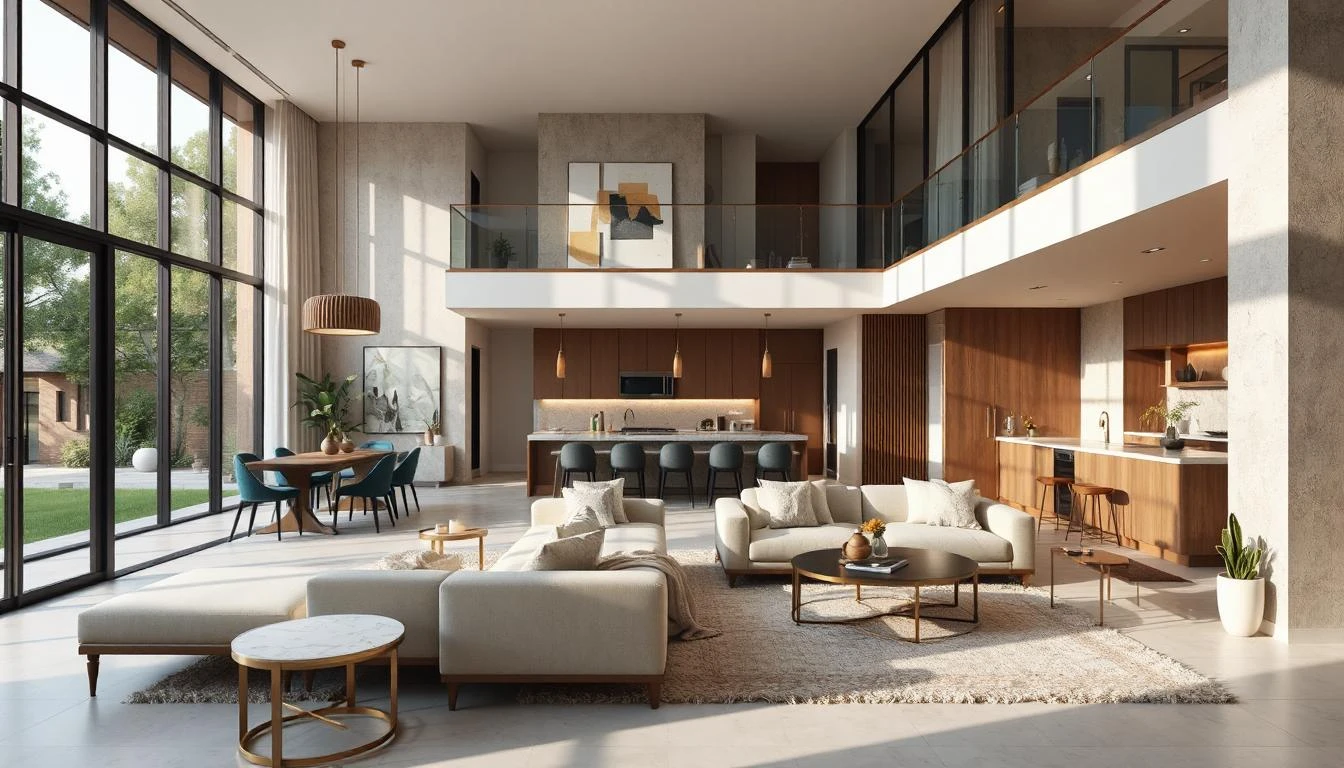
Modern home interiors are recognized by their clean lines, uncluttered layouts, and carefully selected decorative elements. Instead of filling rooms with excessive furniture, modern styling prioritizes open space and visual harmony. Neutral palettes such as beige, soft gray, cream, and warm white are often combined with natural materials like wood, stone, linen, and matte metal finishes.
Another defining feature is the balance between comfort and simplicity. Modern interiors avoid unnecessary visual distractions while still feeling warm and inviting. Large windows, natural light, and subtle textures help create a more breathable environment that instantly feels calming when entering the room.
Importance of functional living spaces
A beautiful home means very little if it does not support daily comfort and productivity. That is why functional living spaces have become essential in modern interior design. Homeowners now prefer layouts that make movement easier, improve organization, and adapt naturally to changing routines.
Multifunctional furniture has become increasingly popular because it allows smaller homes to remain stylish without sacrificing usability. Expandable dining tables, hidden storage benches, modular sofas, and floating shelves help maximize space while maintaining a sleek appearance. This practical approach explains why modern interiors continue to appeal to both young professionals and growing families.
Popular modern color combinations
Color selection strongly influences the mood and atmosphere of a home. Modern interiors typically use balanced combinations that feel elegant without becoming overwhelming. Warm neutrals are currently dominating design trends because they create spaces that feel more welcoming and timeless.
Popular combinations include cream with matte black accents, olive green paired with natural oak wood, soft beige with charcoal gray, and terracotta mixed with sandy tones. These palettes work especially well in modern homes because they provide visual depth while maintaining a clean and sophisticated appearance.
Interior expert Kelly Wearstler once mentioned that “texture and tone create emotional connection inside a space,” and this explains why layered color combinations have become such an important part of modern home styling today.
Essential Elements Of Stylish Interiors
Creating a stylish interior is not simply about purchasing expensive furniture or following social media trends. The most impressive modern homes are carefully designed to balance proportion, lighting, texture, and functionality. Every detail contributes to the overall atmosphere, making the space feel intentional rather than random.
Many homeowners unknowingly overcrowd their interiors with unnecessary decor, which often makes rooms feel smaller and visually exhausting. Modern styling takes the opposite approach by focusing on selected statement elements that create stronger visual impact while preserving openness and comfort.
Minimalist furniture arrangement ideas
Minimalist furniture arrangements focus on creating flow and breathing space inside a room. Instead of filling every corner, modern interiors emphasize strategic placement that allows furniture to feel balanced and functional.
One oversized sofa combined with a clean-lined coffee table often creates a more luxurious impression than several smaller furniture pieces competing for attention. Low-profile furniture, hidden storage units, and open walkways help rooms appear larger and more organized. This approach is especially effective for smaller homes because it allows homeowners to maintain both practicality and visual sophistication without making the space feel cramped.
Lighting concepts for modern homes
Lighting has become one of the most influential design elements in modern interiors. Beyond simple illumination, lighting now shapes mood, highlights textures, and creates depth throughout a space. Layered lighting is particularly popular because it combines ambient lighting, task lighting, and accent lighting into one cohesive design strategy. Pendant lamps, LED strips, wall sconces, and sculptural floor lamps are commonly used to create a more dynamic atmosphere.
Natural lighting also plays a major role in modern homes. Large windows, sheer curtains, and reflective surfaces help distribute sunlight more effectively, making interiors feel brighter, fresher, and more spacious throughout the day.
Decorative accents and wall styling
Decorative accents help modern interiors feel personal without becoming visually cluttered. Instead of overcrowding walls with excessive decor, many designers now recommend focusing on fewer statement pieces that create stronger impact.
Large-scale artwork, textured wall panels, floating shelves, ceramic vases, and natural wood elements are commonly used to add personality and warmth into modern interiors. Organic textures such as linen, boucle fabric, and stone surfaces also help soften minimalist spaces, making them feel more inviting and comfortable. Wall styling in modern homes often follows a “less but better” philosophy, where carefully chosen details become focal points rather than background distractions.
Creating Comfortable Modern Living Spaces
Comfort has become one of the most important priorities in modern interior design. Homeowners today want spaces that not only look beautiful in photographs but also feel relaxing and functional in everyday life. This shift has encouraged designers to create interiors that combine emotional comfort with practical usability.
Modern living spaces now focus heavily on flexibility. Rooms are designed to adapt naturally to different activities throughout the day, whether it is working remotely, spending time with family, or simply relaxing after busy schedules.
Open space layout inspiration
Open layouts continue to dominate modern architecture because they create stronger visual flow and improve interaction between spaces. Removing unnecessary walls allows natural light to travel more freely while making interiors feel significantly larger.
Many homeowners use rugs, lighting placement, or furniture positioning to define separate areas without interrupting openness. This subtle zoning technique helps maintain structure while preserving the airy atmosphere that modern interiors are known for. Open layouts are especially effective for creating a sense of connection between kitchens, dining areas, and living rooms, making homes feel more social and welcoming.
Combining aesthetics with functionality
One reason modern interiors remain timeless is their ability to combine beauty with everyday practicality. Stylish homes should simplify routines rather than create additional maintenance or inconvenience.
That is why modern homeowners increasingly prefer hidden charging stations, integrated storage furniture, washable fabrics, and durable materials that maintain their appearance over time. These details may seem small individually, but together they dramatically improve comfort and usability. The best interiors often feel effortless because every design choice quietly supports how people naturally live inside the space.
Smart storage solutions for homes
Smart storage solutions are essential for maintaining clean and organized interiors. Without proper storage, even beautifully designed homes can quickly appear chaotic and overwhelming.
Built-in cabinets, under-bed compartments, floating media consoles, vertical shelving systems, and hidden kitchen organizers help maximize space while preserving minimalist aesthetics. These solutions are particularly useful for compact homes where every inch of storage matters.
Modern storage design is no longer about simply hiding clutter. It has become part of the visual identity of the home itself, blending functionality seamlessly into the overall interior style.
Transform Your Home With Modern Interior Ideas
Modern interiors are ultimately about creating spaces that feel meaningful, balanced, and comfortable for everyday living. The most successful homes are not always the largest or most expensive ones, but the ones designed with intention and awareness of how people truly live inside them. Small adjustments such as improving lighting, reorganizing furniture flow, adding natural textures, or choosing calming color palettes can dramatically transform the atmosphere of a room.
As design trends continue evolving globally, homeowners are becoming more selective about what they bring into their spaces. People are starting to value comfort, emotional warmth, and functionality just as much as visual beauty. That shift explains why modern interiors continue to remain relevant across different lifestyles and generations. If your home no longer feels inspiring or comfortable, this may be the perfect time to rethink how your space supports your daily life and start creating an environment that genuinely feels like your own.