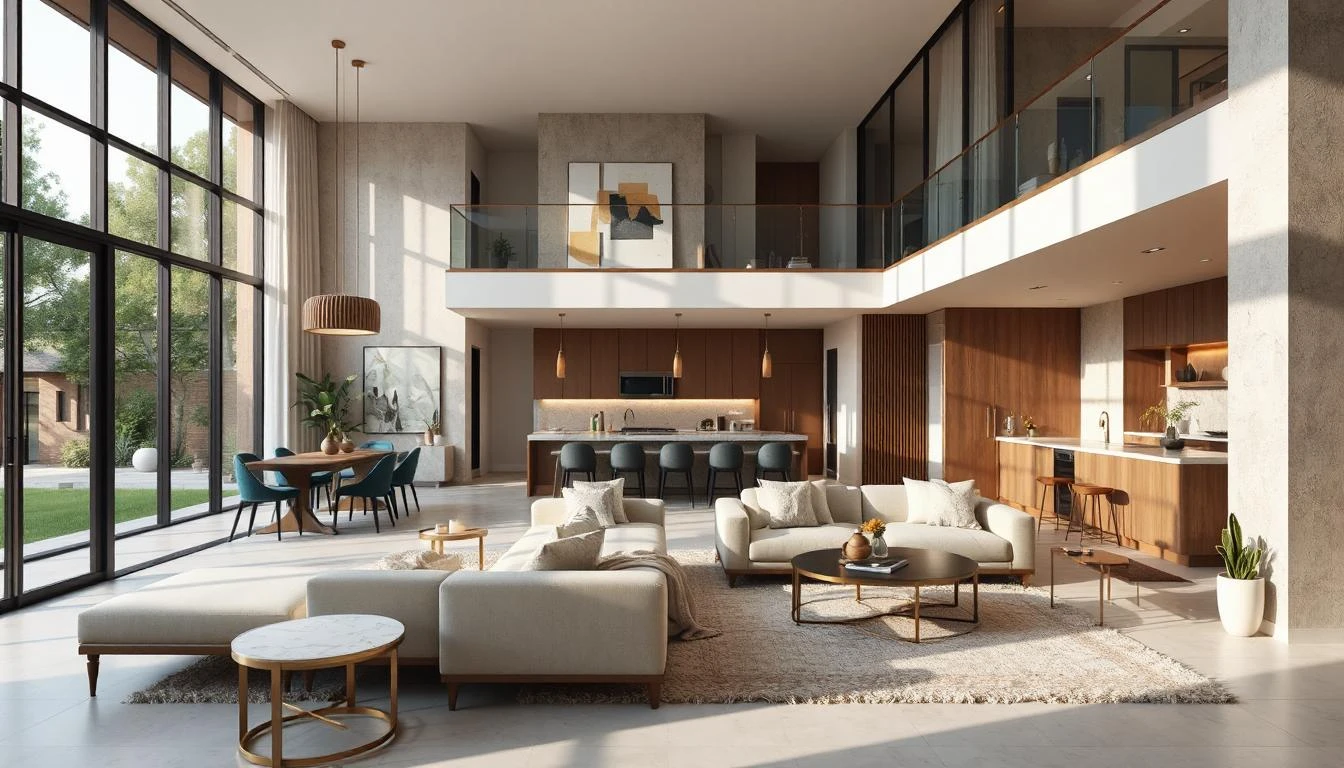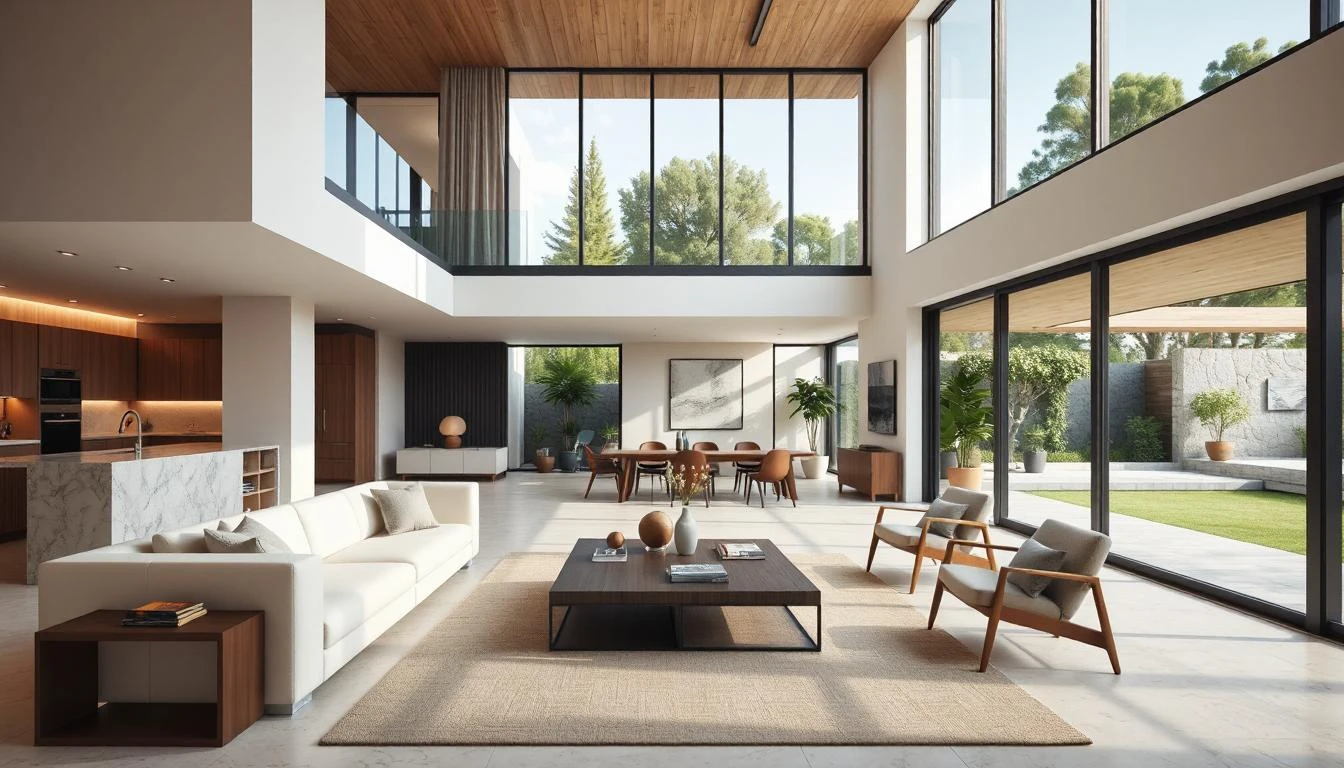
Modern Furniture Trends For Homes
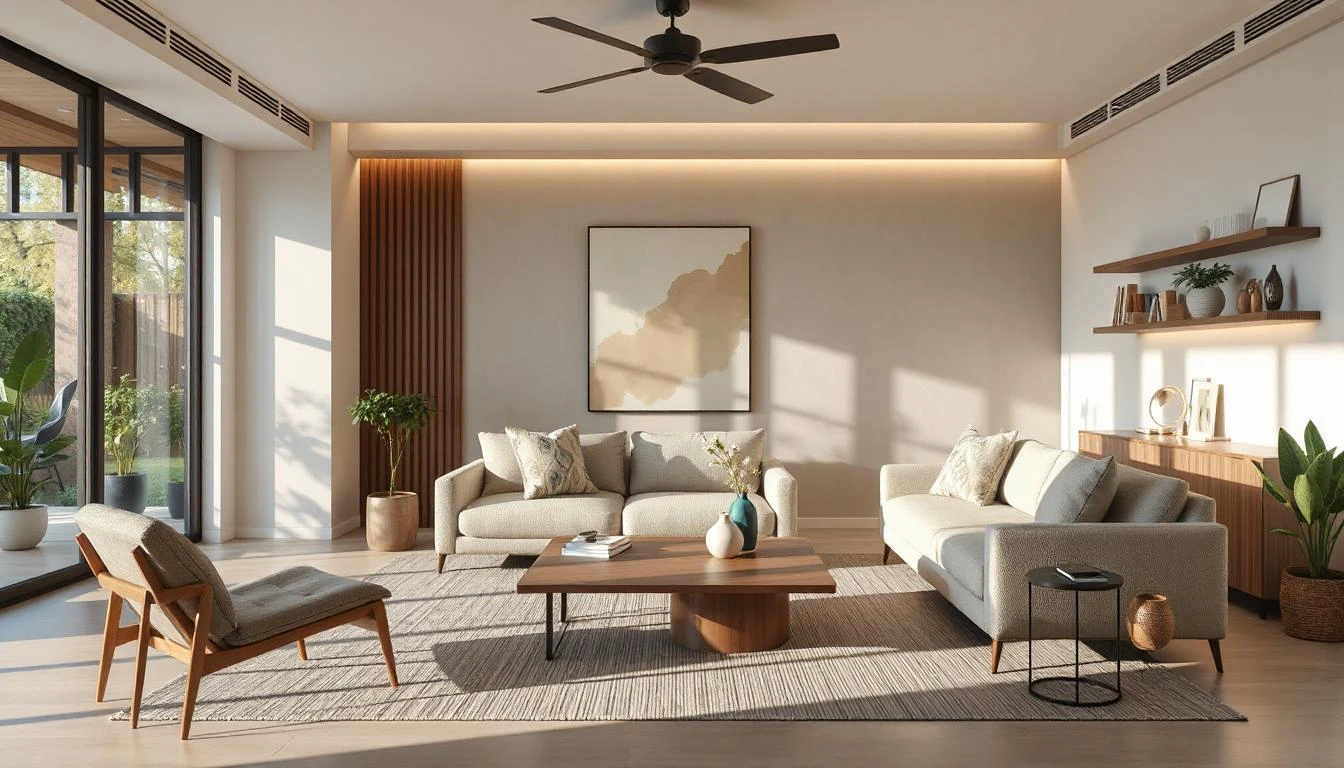
Modern homes are no longer designed only to look beautiful. Today, living spaces are expected to feel calming, practical, flexible, and deeply personal at the same time. Furniture trends have shifted dramatically as homeowners begin prioritizing comfort, smart functionality, and timeless aesthetics over excessive decoration. A modern home now reflects lifestyle choices, daily habits, and even emotional well-being through carefully selected furniture pieces that create balance inside every room.
The rise of modern furniture trends homes has completely transformed how people design their interiors, especially in an era where homes function as places to work, relax, entertain, and recharge simultaneously. More homeowners are searching for furniture that combines elegance with practicality while maximizing space efficiency and long-term durability. As interior designer Nate Berkus once explained, “Your home should rise up to meet you.” That idea perfectly captures why modern furniture has become more intentional, adaptable, and lifestyle-driven than ever before.
Evolution of Modern Furniture Design
Furniture trends continue evolving because modern lifestyles constantly change. Homeowners today want interiors that feel effortless yet sophisticated, minimal yet inviting. This shift has encouraged designers to create furniture that serves multiple purposes without sacrificing visual appeal.
The influence of contemporary furniture design can now be seen across almost every modern interior style, from Scandinavian-inspired homes to urban industrial apartments. Clean silhouettes, neutral palettes, and functional layouts dominate current trends because they create visually organized spaces that feel lighter and easier to live in. These concepts are especially appealing for homeowners who want interiors that remain timeless instead of quickly feeling outdated.
Features of contemporary furniture
One of the defining features of modern furniture is simplicity with purpose. Every piece is designed to contribute both visually and functionally to the room. Instead of oversized decorative furniture, homeowners are leaning toward streamlined designs with subtle details and durable materials.
Current trends also emphasize natural textures, matte finishes, curved edges, and modular layouts. Popular LSI keywords related to these concepts include minimalist home décor, modern interior furniture, sleek furniture aesthetics, and smart living room ideas. These elements help modern homes feel spacious, calming, and visually balanced without appearing empty or cold.
Functional and space saving concepts
Space-saving furniture has become increasingly important, especially in urban homes and compact apartments. People now expect furniture to adapt to their daily routines instead of remaining static decorative pieces.
Expandable dining tables, hidden storage beds, foldable desks, and modular seating systems are becoming highly desirable because they maximize usability while preserving open space. Many homeowners searching for space saving furniture for small modern homes are looking for practical ways to create multifunctional interiors without making rooms feel overcrowded. This growing demand reflects how modern furniture now focuses heavily on efficiency, flexibility, and intelligent design solutions that improve everyday living.
Influence of minimalist design trends
Minimalism continues shaping modern interiors because people increasingly value simplicity and mental clarity inside their homes. Cluttered environments often create visual stress, while minimalist furniture arrangements promote calmness and organization.
The growing popularity of Japandi and Scandinavian interiors has strengthened demand for low-profile seating, soft neutral colors, natural wood finishes, and understated décor. Rather than filling rooms with excessive ornamentation, homeowners now prefer fewer but higher-quality furniture pieces that feel intentional and long-lasting. Interior expert Kelly Hoppen has frequently emphasized that “simplicity creates sophistication, which explains why minimalist furniture trends remain dominant in contemporary home design.”
Popular Furniture Trends For Modern Homes
Modern furniture trends are no longer only about appearance. Today’s homeowners expect furniture to improve convenience, support sustainability, and integrate naturally with evolving lifestyles. As technology and environmental awareness continue advancing, furniture trends are adapting alongside them.
The growing demand for contemporary furniture design has also encouraged manufacturers to blend innovation with practicality. Homeowners are now drawn toward furniture that feels smarter, more adaptable, and environmentally responsible while still maintaining a refined aesthetic.
Multifunctional furniture solutions
Multifunctional furniture continues dominating modern interiors because it solves one of the biggest challenges in contemporary homes: limited space. Furniture that performs multiple roles allows rooms to remain flexible and visually organized throughout the day.
Sofa beds with hidden compartments, lift-top coffee tables, modular shelving systems, and convertible workstations are becoming household essentials. These designs are especially attractive for remote workers and apartment owners who need practical solutions without compromising style. Search interest for best multifunctional furniture for modern apartments continues increasing because homeowners want interiors that feel adaptable, efficient, and future-ready.
Sustainable and eco friendly materials
Sustainability has become one of the strongest influences in modern furniture design. Consumers are paying closer attention to how furniture is produced, what materials are used, and how long products are expected to last.
Furniture crafted from reclaimed wood, bamboo, recycled metals, and eco-conscious fabrics has gained massive popularity among homeowners who want stylish interiors with reduced environmental impact. Keywords such as eco friendly furniture ideas, sustainable furniture trends, and recycled wood furniture design are increasingly relevant because buyers are prioritizing durability and ethical craftsmanship over disposable furniture.
This movement also reflects a broader lifestyle change where homeowners invest in timeless quality rather than constantly replacing inexpensive products.
Smart furniture with modern technology
Technology is now becoming part of furniture design itself. Smart furniture is transforming ordinary interiors into connected, highly functional living spaces that support modern routines more efficiently.
Wireless charging nightstands, adjustable smart desks, ergonomic seating with posture support, and beds with integrated sleep tracking systems are becoming increasingly common. These innovations improve convenience while blending seamlessly into contemporary interiors. The popularity of modern smart furniture for contemporary living spaces shows how homeowners are embracing technology that enhances comfort without disrupting aesthetic harmony.
Choosing The Right Furniture Style
Choosing furniture is no longer simply about following trends. The right furniture should complement your lifestyle, maximize room functionality, and create a cohesive atmosphere throughout the home. A well-designed interior feels intentional, comfortable, and visually connected from one room to another.
The continued growth of contemporary furniture design has also encouraged homeowners to think more carefully about how furniture affects movement, comfort, lighting, and overall mood within a space. Small design decisions often create the biggest visual impact.
Matching furniture with interior themes
Furniture works best when it supports the overall personality of the room. Minimalist interiors usually pair well with clean lines and soft neutral tones, while industrial themes often benefit from darker textures, metal accents, and bold structural elements.
Wood textures combined with matte black finishes, warm lighting paired with soft linen fabrics, and natural stone accents mixed with neutral palettes are currently among the most popular combinations in modern interiors. These combinations create spaces that feel elegant without appearing excessive or overwhelming. Maintaining consistency between furniture styles also helps rooms feel larger, cleaner, and more visually harmonious.
Comfort and practicality considerations
Style matters, but comfort ultimately determines whether furniture remains enjoyable over time. Many homeowners regret purchasing visually attractive furniture that feels uncomfortable or difficult to maintain after daily use.
This is why searches for comfortable modern furniture for family living rooms continue growing rapidly. People want furniture that supports real-life routines while still looking sophisticated and modern. Durable fabrics, ergonomic support, stain-resistant surfaces, and practical dimensions all contribute to long-term satisfaction. A beautiful interior should never sacrifice everyday usability.
Furniture placement for better space use
Furniture placement plays a major role in how spacious and functional a home feels. Even high-end furniture can make a room feel uncomfortable if the layout disrupts movement or blocks natural light.
Strategic placement helps improve traffic flow, visual openness, and overall comfort. Larger furniture pieces are often best positioned near walls, while layered lighting and reflective surfaces can make compact spaces feel brighter and more expansive. Thoughtful furniture arrangement also creates natural focal points inside the room, helping interiors feel more balanced and inviting without requiring excessive decoration.
Explore Modern Furniture Trends For Stylish Living
Modern furniture trends continue evolving because homeowners are searching for interiors that support both emotional comfort and practical living. Stylish homes today are not defined by luxury alone, but by how effectively furniture improves daily experiences, creates calm environments, and adapts to changing lifestyles.
As furniture becomes more multifunctional, sustainable, and technology-driven, homeowners have greater opportunities to create interiors that feel personal and future-ready at the same time. The most successful modern homes are not necessarily the most expensive ones, but the spaces where design choices genuinely support the people living inside them.